What Is B2B Credit Management?
1/20/20263 min read
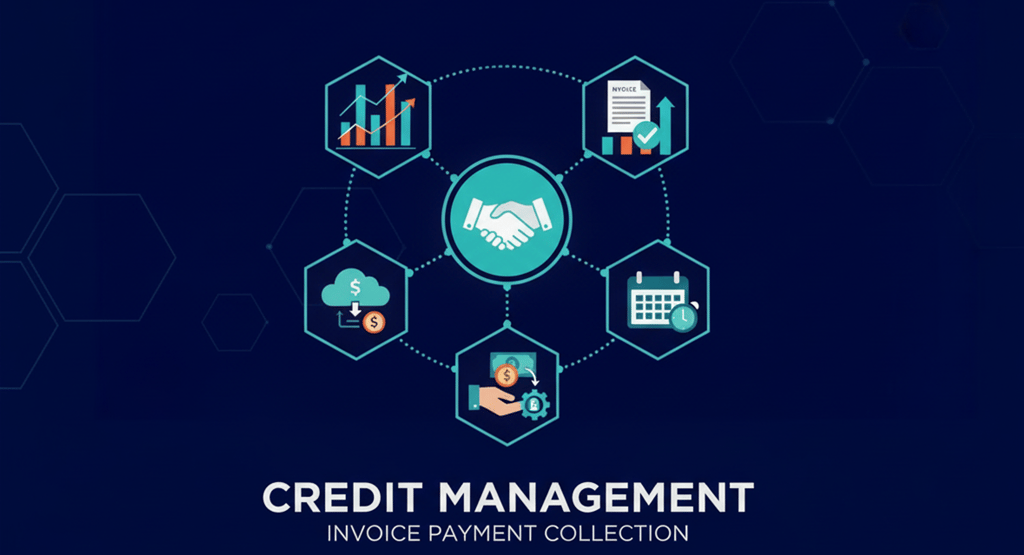

In business-to-business environments, extending credit is often unavoidable. Customers expect time to pay, and flexible credit terms can be a competitive advantage. However, without structured controls, credit can quickly become a source of cash flow pressure and financial risk.
B2B credit management refers to the processes and controls a business uses to assess, monitor and manage the credit it extends to other businesses. The objective is simple: get paid on time, protect cash flow and minimise bad debt — while maintaining professional customer relationships.
For medium-sized companies, effective credit management is not optional. It is a core part of financial stability and operational discipline.
Why B2B Credit Management Matters
When credit is poorly managed, the impact is immediate and visible:
delayed cash inflows
increased reliance on overdrafts or external funding
time diverted to chasing payments
higher risk of bad debt write-offs
By contrast, a structured credit management approach helps businesses:
maintain predictable cash flow
reduce exposure to financially weak customers
improve internal financial control
support sustainable growth
Credit management is not about being aggressive. It is about clarity, consistency and control.
The Importance of a Clear Credit Policy
A well-defined credit policy is the foundation of effective B2B credit management. It sets out the rules under which credit is offered and managed, removing ambiguity and inconsistency.
A robust credit policy typically covers:
Credit limits — the maximum exposure allowed per customer
Payment terms — due dates, early payment incentives and late payment consequences
Risk assessment procedures — how customer creditworthiness is evaluated
Escalation steps — what happens when payments are delayed
Without a formal policy, businesses often take on excessive risk unintentionally, especially as customer relationships evolve over time.
Assessing Customer Creditworthiness
Before credit is extended — and periodically thereafter — businesses should assess whether a customer is financially able to meet their obligations.
Effective credit assessment may include:
reviewing statutory accounts and financial statements
using commercial credit reports (e.g. Experian, Dun & Bradstreet)
obtaining trade references
considering industry and market conditions
In recent years, credit assessments have become more data-driven. Many businesses now combine traditional financial analysis with wider risk indicators to build a more complete picture.
Setting Appropriate Credit Terms and Limits
Credit terms should balance commercial competitiveness with financial protection.
Common best practices include:
avoiding unnecessarily long payment terms
starting new customers on lower credit limits
reviewing limits and terms regularly
adjusting terms when a customer’s financial position changes
What worked when a relationship began may no longer be appropriate as volumes increase.
Using Technology to Improve Credit Management
Technology plays an increasingly important role in modern credit management. Digital tools can automate and standardise many tasks that were previously manual.
Typical benefits include:
automated invoice issuance and reminders
improved visibility over aged debt
reduced administrative workload
fewer errors and inconsistencies
Payment platforms and receivables tools can also improve the customer experience by making it easier to track invoices and settle balances.
Improving Collections and Reducing Late Payments
Even with strong upfront controls, late payments will occur. A structured collections process ensures they are handled professionally and consistently.
Effective collections usually involve:
clear communication of payment expectations
timely, polite reminders before and after due dates
escalation based on defined timelines
resolution of disputes or queries quickly
When managed properly, collections become a routine financial process rather than a reactive firefighting exercise.
Managing Credit Risk in International Trade
For businesses trading internationally, credit risk increases significantly. Currency exposure, legal differences and economic volatility all add complexity.
Key considerations include:
enhanced due diligence on overseas customers
use of international credit reporting where available
understanding local payment practices and legal frameworks
factoring cross-border risks into credit limits and terms
International credit management requires more structure, not less.
The Role of Credit Insurance
In uncertain economic conditions, some businesses choose to supplement credit management with credit insurance. This provides protection if a customer becomes insolvent or fails to pay.
While not suitable for every business, credit insurance can be an effective risk-mitigation tool for companies with concentrated customer exposure or international receivables.
Conclusion
B2B credit management is a critical component of financial control for medium-sized businesses. It underpins cash flow, reduces financial risk and supports stable growth.
By:
setting clear credit policies
assessing customer risk properly
applying consistent credit terms
using technology effectively
managing collections professionally
businesses can protect themselves without damaging customer relationships.
Strong credit management is not about chasing debt — it is about running a disciplined, resilient business in an increasingly complex commercial environment.